| Title | Important factors when using Retinol! A must read!!! (52 chars) |
|---|---|
| Description | (empty) |
| Keyword | (empty) |
| Short description | (empty) |
| Category | General (7 chars) |
| Slug | important-factors-when-using-retinol-a-must-read (48 chars) |
| Published | 21.12.2025 11:31 (16 chars) |
| Updated | (empty) |
| Image | important-factors-when-using-retinol-a-must-read.jpg (52 chars) |
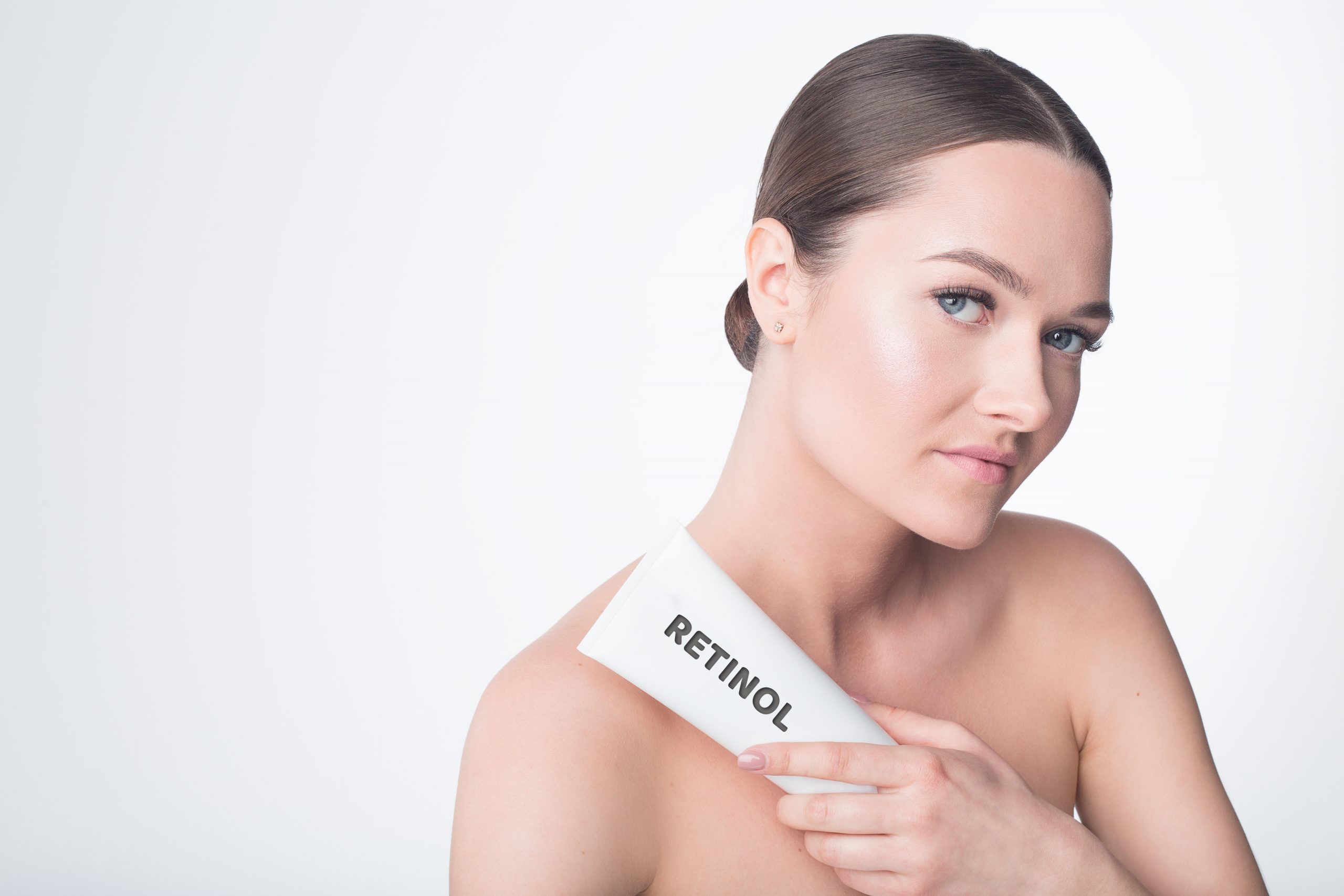
Retinol is one of the most researched and effective ingredients in skincare. It can improve skin texture, help breakouts, stimulate collagen and soften the appearance of fine lines. Some people love it others hate it. If you have not tried it yet or you have had a few try and did not like it maybe you have not considered few important points that we will be mentioning on this blog so it is important to read all the points.
Retinol speeds up cell turnover, meaning fresh skin cells are brought to the surface more quickly. While this is what gives retinol its impressive results, it also temporarily makes the skin more sensitive to heat, UV exposure, and other active ingredients.
This is why timing, product pairing, and lifestyle habits matter just as much as the retinol itself.
Retinol makes your skin more photosensitive
Using sunbeams or exposing your skin to strong sunlight while on retinol significantly increases the risk of
. pigmentation
. redness and burning
. long-term skin damage
Sunbeds should be completely avoided while using retinol. Even brief exposure can cause irritation or uneven skin tone.
2. Consider your next hair appointment!
If you are dying and bleaching your hair you should also stop using your retinol 48-72 hours before and after your hair appointment just to be on the safe side specially if you have sensitive skin as the chemical used in hair dyes and bleach can lead to unwanted effects on your skin around your hair line and the skin that dye and its fumes touches around your face.
Heat increases blood flow and can intensify sensitivity. Using saunas or steam rooms around the time of retinol application may lead to
. Stinging or burning sensations
. Flushing and inflammation
. Compromised skin barrier
If you do use a sauna, avoid retinol for at least 24-48 hours before and after, and ensure the skin is well hydrated.
Using retinol alongside other active ingredients can overload the skin; be cautious with
. AHAs ( glycolic, lactic acid)
. BHAs ( salicylic acid)
. Chemical exfoliants
. Strong vitamin C formulas
Layering there with Retinol often leads to irritation, peeling, and breakouts. If you use acids, apply them on alternate nights and not together.
Retinol thins the top layer of the skin. Using it before or after treatments such as waxing, laser, or micro needling can cause
. skin lifting
. burns
. Prolonged healing
Stop retinol 5-7 days before and after any advanced skin treatment unless advised by a professional.
More is not better with retinol. Using it too frequently or ignoring signs of irritation can damage the skin barrier and delay progress.
Redness, burning, or persistent peeling are signs to pause, not continue.
If you are new to retinol begin with once a week, twice in the second week and increase it to 3 times on the 3rd week and so on. This allows the skin to adapt and reduce the risk of irritation
Retinol should always be applied in the evening, as light can deactivate it increase sensitivity. Apply to clean and dry skin as damp skin can increase irritation.
Hydration is essential when using retinol
Use a nourishing moisturised with
. Ceremides
. Hyaluronic acid
. Glycerin
. Squalene
You can also use a “sandwich method” ( moisturiser then retinol then moisturiser again to reduce sensitivity.
This is a Must Must Must step.Can not be avoided.
Use a broad-spectrum SPF50 every morning and go over it and refresh again throughout the day. Retinol without SPF an undo all of its benefits.
While on retinol your skincare routine should focus on
. Gentle cleansers
. Barrier repair
. Soothing ingredients
Less is more. The goal is to support the skin, not challenge it.
Skin changes with seasons, stress, and lifestyle. If your skin feels tight, sore, or inflamed, reducing usage or take a break completely,
Healthy skin responds better to retinol than compromised skin ever will.
Retinol is a powerful tool, but for it to work best you need to know how to use it and these points we mention above into consideration. To some these might look like a lot to take into consideration but you get the hang of it pretty easy and quickly so do not be intimated,
If you would like to know which strength to start from or when some professional quince we are here to help, take advantage of our free skin consultation.