| Title | Dermatitis: Why Your Skin Keeps Flare-Ups and What Helps (56 chars) |
|---|---|
| Description | Learn why dermatitis flares and how to manage it with practical steps that actually help dermatitis, from E&G Skin Clinic. (122 chars) |
| Keyword | dermatitis (10 chars) |
| Short description | (empty) |
| Category | General (7 chars) |
| Slug | proven-tips-to-stop-dermatitis-flare-ups-now (44 chars) |
| Published | 06.09.2026 07:52 (16 chars) |
| Updated | (empty) |
| Image | proven-tips-to-stop-dermatitis-flare-ups-now.jpg (48 chars) |
If you’ve ever scratched your wrist raw on the bus, you know dermatitis can be disruptive.
Additionally, dermatitis is among the common reasons people book in to see us at E&G Skin Clinic, yet it’s misunderstood.
To clarify, let’s clear a few things up.
Dermatitis is a common inflammatory skin condition. Additionally, understanding its triggers helps guide treatment.
Dermatitis isn’t one single condition; it’s an umbrella term for inflamed, irritated skin. Additionally, under that umbrella you’ll find a few different types. Knowing which one you’re dealing with matters, because the triggers (and the treatment) can be quite different.
For example, the most common types we see in clinic include various conditions.
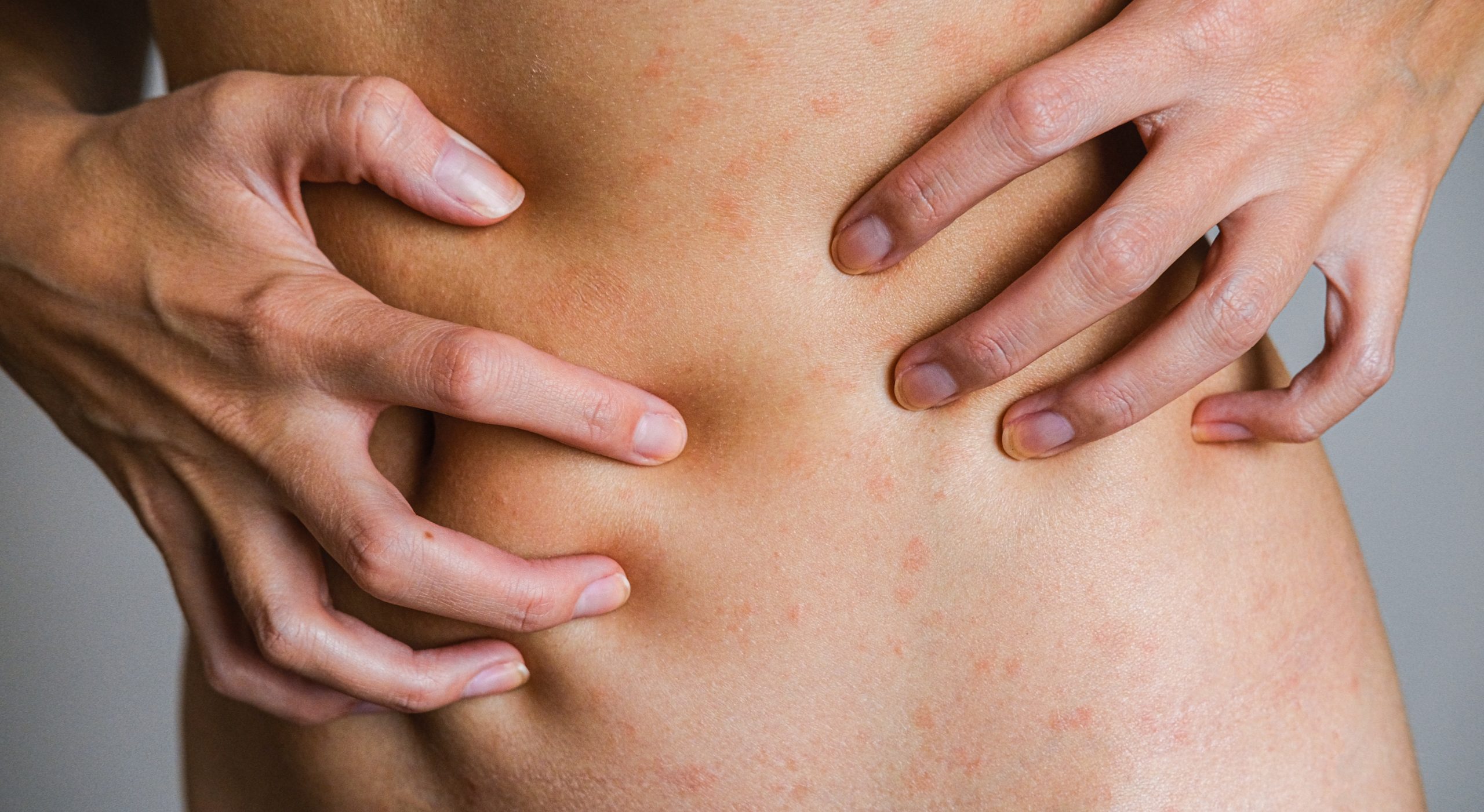
Symptoms across the board tend to include redness, itching, dryness, and sometimes weeping or crusting in more severe flare-ups.
Moreover, Edinburgh’s climate doesn’t do us any favours either.
Additionally, that combination of cold wind outdoors and dry, heated air indoors is a classic recipe for a flare.
This is the question we hear most.
The honest answer is that dermatitis is rarely something you “cure” once.
However, you must continue to manage it.
For many people it’s a condition to be managed rather than eliminated.
For example, there are a few common triggers worth thinking about.
Identifying your personal triggers is often more useful than any cream on its own.
Therefore, we spend time on this in consultations rather than just reaching for a prescription pad.
Moreover, what actually helps.
Treatment depends on the type and severity. However, here is what tends to make a genuine difference.
Rebuild the skin barrier.
A good, fragrance-free emollient should be used consistently—not just when things flare.
It is the foundation of managing most forms of dermatitis.
Get the right topical treatment.
Additionally, depending on severity, this might mean a prescribed topical steroid.
A non-steroid alternative may also be appropriate when used correctly and for the right duration.
Overuse and underuse are both common mistakes.
Address the trigger, not just the symptom. Additionally, if contact dermatitis is suspected, patch testing can help pinpoint what your skin is reacting to.
Know when to seek clinical input. Additionally, if a patch isn’t responding to over-the-counter creams after a couple of weeks, seek a proper assessment. If it’s weeping, spreading, or affecting sleep, consult a clinician rather than guess.
However, you should see a clinician when symptoms persist.
A lot of dermatitis can be managed at home with the right products.
Additionally, it’s worth booking a proper assessment if: