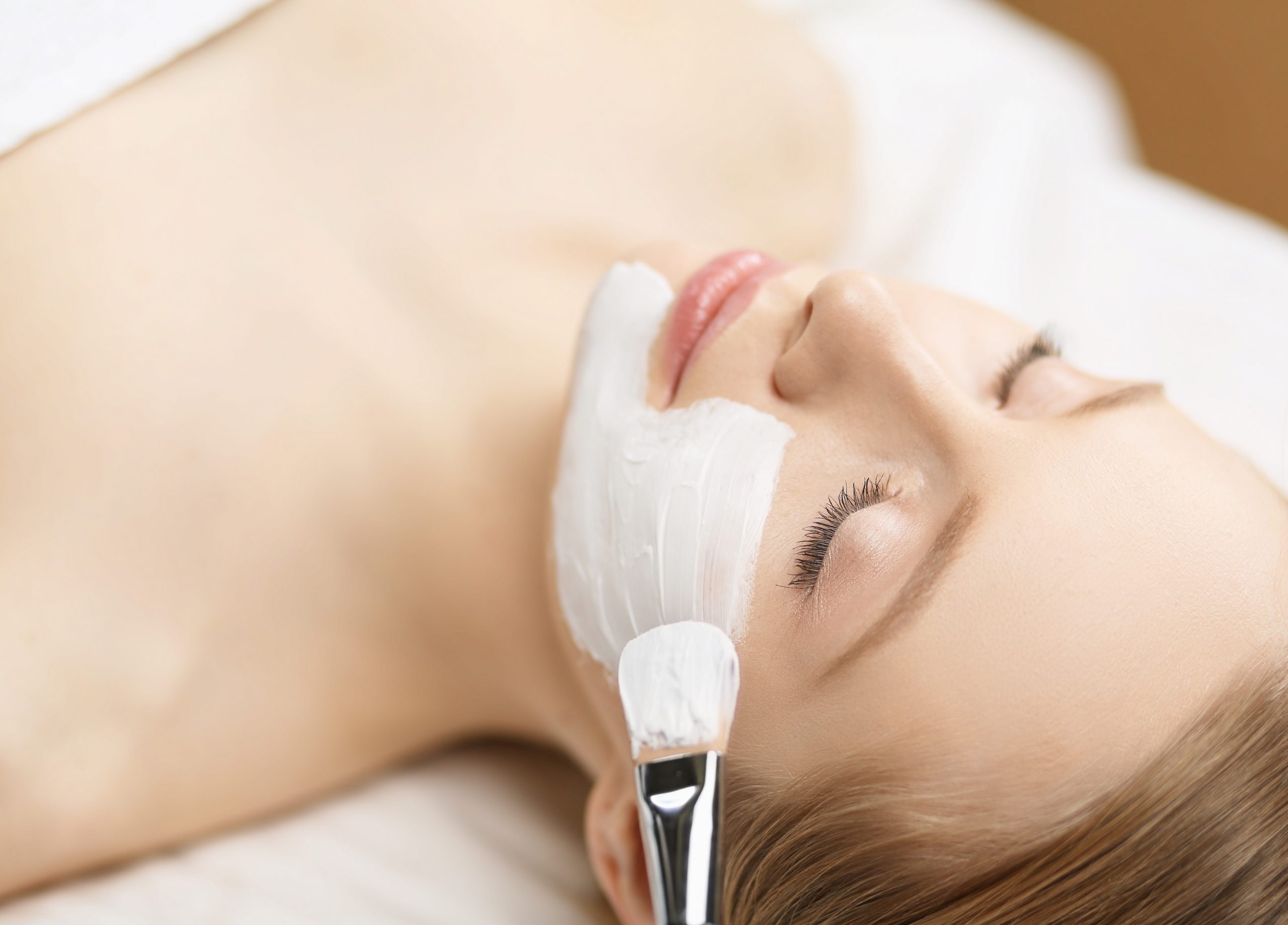
| Title | TCA Peel in Depth | E&G Skin Clinic (35 chars) |
|---|---|
| Description | (empty) |
| Keyword | (empty) |
| Short description | (empty) |
| Category | General (7 chars) |
| Slug | tca-peel-in-depth (17 chars) |
| Published | 08.04.2024 09:08 (16 chars) |
| Updated | (empty) |
| Image | tca-peel-in-depth.jpg (21 chars) |
At the heart of TCA peeling lies trichloroacetic acid (TCA), a chemical compound renowned for its skin-renewing properties. TCA is a potent exfoliant that penetrates the skin’s surface, targeting dead skin cells and initiating a process of regeneration. Unlike superficial peels, which primarily target the epidermis, TCA peels delve deeper, reaching the dermis to stimulate collagen production and promote cellular turnover.
TCA peels are available in a spectrum of strengths or concentrations, allowing for tailored treatment approaches suited to individual skin types and concerns. By removing damaged outer layers of skin, TCA peels effectively address a myriad of skin imperfections, including:
Aging Signs: Fine lines, wrinkles, and uneven texture are smoothed out as new, youthful skin emerges.
Hyperpigmentation: Melasma, sun spots, and other forms of hyperpigmentation are visibly reduced, revealing a more even complexion.
Acne Scars: TCA peels diminish the appearance of acne scars by promoting collagen remodelling and skin regeneration.
Skin Tone: Uneven skin tone and dullness are banished, leaving behind a radiant and revitalised complexion.
While TCA peels offer remarkable benefits, safety considerations are paramount. Approximately 130,000 TCA peels were performed by dermatologists in 2018, underscoring its widespread acceptance and effectiveness. However, it’s essential to acknowledge potential side effects, such as temporary burning, discomfort, redness, and skin sensitivity following the peel.
To mitigate risks, entrust your skin to a licensed and certified healthcare practitioner experienced in performing TCA peels. Their expertise ensures precise application and tailored treatment protocols, minimising the likelihood of adverse reactions. While rare, complications such as scarring and infection underscore the importance of seeking professional guidance.
One of the allurements of TCA peels lies in their convenience. The procedure typically lasts around 30 minutes, making it an ideal option for those with busy lifestyles. Following the peel, you can resume your regular activities, albeit with precautions to shield your skin from sun exposure. As your skin undergoes the healing process, diligent sun protection is paramount to safeguard against UV-induced damage and maximise results.
Trichloroacetic acid (TCA) peels typically consist of a solution containing trichloroacetic acid as the active ingredient, along with other components that may enhance its efficacy and safety. The exact composition of TCA peel solutions can vary depending on the manufacturer and the specific formulation. However, the primary component, trichloroacetic acid, remains consistent across all TCA peels.
Trichloroacetic acid is a chemical compound derived from acetic acid, commonly used in various dermatological treatments for its exfoliating and skin-renewing properties. In TCA peels, it serves as the main agent responsible for removing dead skin cells, stimulating collagen production, and promoting skin regeneration.
In addition to trichloroacetic acid, TCA peel solutions may also contain:
Water: Often the primary solvent used to dissolve trichloroacetic acid and create the peel solution.
Buffers: These help to adjust the pH of the solution to ensure it remains within the optimal range for safe and effective application on the skin.
Additives: Some formulations may include additional ingredients such as glycolic acid, lactic acid, or other alpha hydroxy acids (AHAs) to enhance exfoliation and skin penetration.
Stabilisers: Certain compounds may be added to stabilise the solution and prolong its shelf life.
Neutralisers: After the desired level of exfoliation has been achieved, a neutralising solution may be applied to stop the peeling process and restore the skin’s pH balance.
Overall, the precise composition of TCA peel solutions is carefully formulated to deliver controlled exfoliation and skin rejuvenation while minimising the risk of adverse reactions. It’s essential to consult with a qualified healthcare professional before undergoing a TCA peel to ensure that the treatment is tailored to your individual needs and skin type.
Trichloroacetic acid (TCA) peels work by inducing controlled chemical exfoliation of the skin, leading to the removal of damaged outer layers and the stimulation of collagen production and cellular renewal. Here’s a closer look at how TCA peels work:
Penetration: When applied to the skin, TCA penetrates the epidermis, the outermost layer of the skin. Unlike superficial peels that primarily target the epidermis, TCA can penetrate deeper into the skin, reaching the dermis.
Protein Denaturation: TCA disrupts the bonds between skin cells, causing them to detach and slough off. This process is known as protein denaturation and results in the removal of dead or damaged skin cells from the surface.
Dermal Effects: TCA’s ability to penetrate into the dermis stimulates fibroblasts, the cells responsible for producing collagen, elastin, and other structural proteins.
Collagen Remodelling: Increased collagen production leads to collagen remodelling, which helps improve skin elasticity, firmness, and texture. Over time, this can reduce the appearance of fine lines, wrinkles, and skin laxity.
Cell Turnover: By removing the outermost layer of skin, TCA peels accelerate the natural process of cellular turnover. This encourages the emergence of fresh, healthy skin cells from the deeper layers of the epidermis.
Skin Regeneration: As new skin cells replace the old ones, the skin’s texture becomes smoother, and imperfections such as hyperpigmentation, acne scars, and uneven tone gradually fade away.
Improvement of Skin Texture: TCA peels can smooth out rough skin texture, minimising the appearance of fine lines, wrinkles, and enlarged pores.
Reduction of Hyperpigmentation: TCA peels help fade dark spots, sun damage, and melasma by promoting even skin tone and reducing the production of melanin.
Treatment of Acne Scars: TCA peels can diminish the appearance of acne scars by stimulating collagen production and encouraging skin regeneration.
Overall Rejuvenation: By promoting collagen synthesis and cellular renewal, TCA peels rejuvenate the skin, leaving it looking fresher, brighter, and more youthful.
The procedure for a TCA (trichloroacetic acid) peel typically involves several steps, beginning with an initial consultation with a qualified healthcare professional to assess your skin type, concerns, and suitability for the treatment.
Trichloroacetic acid (TCA) can be mixed with other acids to create customised chemical peel treatments tailored to individual skin types, concerns, and desired outcomes. This approach, known as combination peels or layered peels, allows healthcare professionals to enhance the efficacy of the treatment and address multiple skin concerns simultaneously. Here’s how different acids can be combined with TCA to create customised treatments: